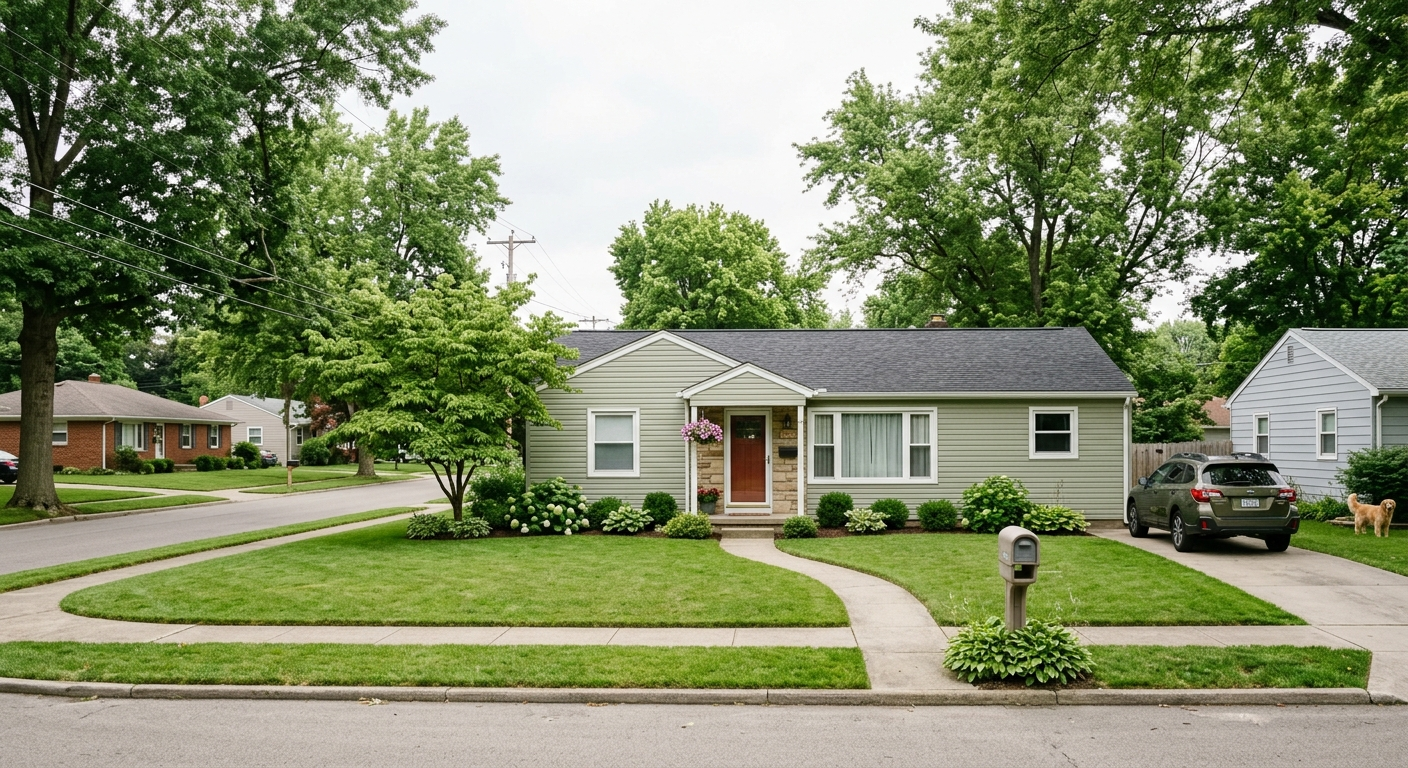
How to Compare Car Insurance Quotes in Ohio the Right Way Guide
Microphone ready
Schedule appointments or follow-ups
Speak to Anna 24/7
Anna
Start your custom insurance quote
Instant answers to your insurance questions
How to compare car insurance quotes in Ohio without getting burned
If you've ever pulled up a comparison website, entered your information, and walked away more confused than when you started, you're not alone. Knowing how to compare car insurance quotes in Ohio the right way takes more than stacking numbers side by side. The cheapest quote on screen is often cheap for a reason, and Ohio drivers who find that out after a claim tend to have a bad time. What follows covers what actually matters when comparing quotes so you end up with real protection at a fair price.
Start with Ohio's minimum requirements (but don't stop there)
Ohio law requires every driver to carry at least 25/50/25 liability coverage : $25,000 per person for bodily injury, $50,000 per accident, and $25,000 for property damage. Meeting the minimum keeps you legal, but it's a thin layer of protection if you're in a serious accident on I-90 near Cleveland or navigating the congestion on Route 2 through Lorain County.
Medical bills after a multi-car accident can easily exceed $50,000 combined, and property damage limits disappear fast when a newer vehicle is involved. A smart comparison starts by deciding how much coverage you actually need, not just the legal floor. For a closer look at what Ohio requires and why those numbers can fall short, read our breakdown of Ohio auto insurance requirements.
What to look at before comparing any quotes
Before you request a single quote, nail down the coverage types you want to compare. If every quote uses different limits and deductibles, you're not comparing the same product and the numbers are meaningless.
- Liability limits: Consider carrying 100/300/100 instead of the state minimum. The premium difference is often smaller than people expect.
- Collision coverage: Pays for damage to your own car after an at-fault accident regardless of what the other driver carries.
- Comprehensive coverage: Covers theft, vandalism, deer strikes, hail, and other non-collision events. Northeast Ohio's lake-effect weather and longer winters make this one worth keeping.
- Uninsured/underinsured motorist (UM/UIM): Ohio has a meaningful percentage of uninsured drivers on the road. If one of them hits you, this coverage pays where their policy can't. See our full post on uninsured motorist coverage in Ohio for what the numbers look like.
- Medical payments (MedPay): A relatively inexpensive add-on that pays medical costs for you and passengers regardless of fault.
- Deductibles: Higher deductibles lower your premium, but make sure the deductible is an amount you could actually pay out of pocket in a bad month.
Once you have a coverage template written down, stick to it for every quote you request. Any quote that doesn't match your template should be adjusted before you compare the price.
The factors that drive your Ohio car insurance rate
Carriers price risk differently, which is why two quotes for the exact same driver can vary by hundreds of dollars a year. Knowing what goes into the number helps you spot when a low quote reflects a gap rather than a deal.
- Driving record: At-fault accidents and moving violations increase your rate with most carriers, though the impact varies. Some companies are more forgiving of a single incident than others.
- Credit-based insurance score: Ohio allows carriers to use a credit-based insurance score as a rating factor. Drivers with strong credit generally pay less. If your credit has improved recently, that's worth mentioning when you shop.
- Vehicle type and age: A newer vehicle with expensive parts costs more to insure for collision and comprehensive. Some vehicles are also theft targets, which affects comprehensive rates.
- Where you live and park: A Cleveland zip code with high claim frequency will price differently than a rural area near Elyria or North Ridgeville. Urban density, crime rates, and accident data all feed into the calculation.
- Annual mileage: Drivers who commute long distances have more exposure. Remote workers or retirees who drive less may qualify for lower rates.
- Age and experience: Teen drivers are the most expensive to insure. If you have a young driver on your policy, rates jump considerably across most carriers.
For a more detailed look at how these variables interact, our post on Ohio car insurance cost factors goes deeper on each one.
Why quotes from a single carrier or comparison site don't tell the whole story
Direct-to-consumer carriers (the ones with the big advertising budgets) only quote their own product. Comparison websites typically work with a limited network of carriers and earn a referral fee that can influence which quotes surface first. Neither approach gives you a neutral view of the market.
When you work through an independent insurance agent , the situation is different. An independent agent has contracts with multiple carriers and can pull actual quotes from each of them using your real information. They're not locked into one company's pricing model. If Carrier A prices your profile aggressively this year but Carrier B is the better fit next year, an independent agent can move you without you having to start the shopping process over from scratch.
This matters especially in Ohio right now. Homeowners and auto insurance rates have shifted in the last few years as carriers reassess risk in the Midwest. Some carriers that were competitive two years ago have tightened their appetite. An agent who monitors the market across multiple carriers catches those shifts. A direct-to-consumer portal only shows you what they sell.
Bundling: one of the most effective ways to lower what you pay
If you have a home, condo, or renters policy (or need one), bundling it with your auto insurance is consistently one of the fastest ways to reduce your total insurance spend. Most carriers offer a multi-policy discount that ranges from 5% to 25% depending on the company and what you're bundling. That's real money on an annual basis.
The math works best when the same carrier is competitive on both lines for your profile. That's not always the case. Sometimes the best auto carrier for your situation isn't the best home carrier, and you need to run the numbers both ways: bundled discount vs. best separate prices from two different carriers. If you're curious how that comparison actually shakes out, our post on bundling home and auto insurance in Ohio walks through it.
Common mistakes Ohio drivers make when comparing quotes
Even careful shoppers stumble on a few predictable traps. Here's what to watch for:
- Comparing different coverage levels: One quote at 25/50/25 with no collision and another at 100/300/100 with full coverage will have a very different price. The cheaper one isn't better; it's just thinner.
- Ignoring the carrier's claims reputation: A carrier's financial strength rating (A.M. Best or similar) tells you whether they have the reserves to pay claims. A low-priced carrier with a poor claims track record is a risk that doesn't show up in the premium.
- Not asking about discounts: Carriers offer discounts for defensive driving courses, low mileage, paying in full, going paperless, and good student grades. These aren't always applied automatically. Ask specifically.
- Shopping price only at renewal: Rates change throughout the year. If your profile changes (new vehicle, a move, a teen driver added or removed, or improved credit), those are all valid reasons to shop outside the normal renewal window.
- Accepting the renewal without reviewing it: Carriers sometimes adjust coverage limits, add or drop endorsements, or change deductibles at renewal. Read the renewal declaration page every year before you assume everything stayed the same.
What "full coverage" actually means in Ohio
The phrase "full coverage" gets thrown around constantly, but it's not a defined insurance term. In practice, most people mean a policy that includes liability, collision, and comprehensive. That combination covers most common scenarios, but it's not unlimited protection. If your limits are too low, or you don't have UM/UIM, or you skipped MedPay, you still have gaps that could cost you. Our post on what full coverage auto insurance means in Ohio breaks down what's actually included and what gets left out.
Get real quotes from an independent agent in your area
Goldfront Insurance is an independent agency serving Cleveland, Westlake, Lakewood, Parma, Strongsville, and communities across Northeast Ohio. Because we work with multiple carriers rather than one, we can compare options on your behalf and find the coverage that fits your situation, not just the one we happen to sell.
If you want to see how your current rate stacks up, or you're shopping for the first time, we're happy to walk through the numbers with you. Reach out through our contact page or call us at (440) 691-0123 to get started. No pressure, no jargon, just a straight comparison from someone who knows the Ohio market.
Get a Quote
At Goldfront Insurance, securing your future is easy. Ready to protect what matters? Contact us for a quick quote and personalized insurance options!
Chat With Us
Chat with Kelly to gather your info, helping our agents find the best carriers and quotes.
Call Us
For any inquiries or support, feel free to reach out to us at any time. We're here to assist you!
Leave us a note
Leave a note with your name, email, phone number, and the insurance type you're seeking.
Personal Insurance
From auto and homeowners to renters and umbrella policies, we help protect your family and property. Let’s find coverage that fits your life.
Commercial Insurance
We customize policies for your industry's risks, like general liability and workers' comp, ensuring you can run your business worry-free.
Contact Goldfront Insurance
Recent Posts