Dwelling Fire Insurance in Ohio: What It Is and Who Needs It
Microphone ready
Schedule appointments or follow-ups
Speak to Anna 24/7
Anna
Start your custom insurance quote
Instant answers to your insurance questions
What dwelling fire insurance covers in Ohio
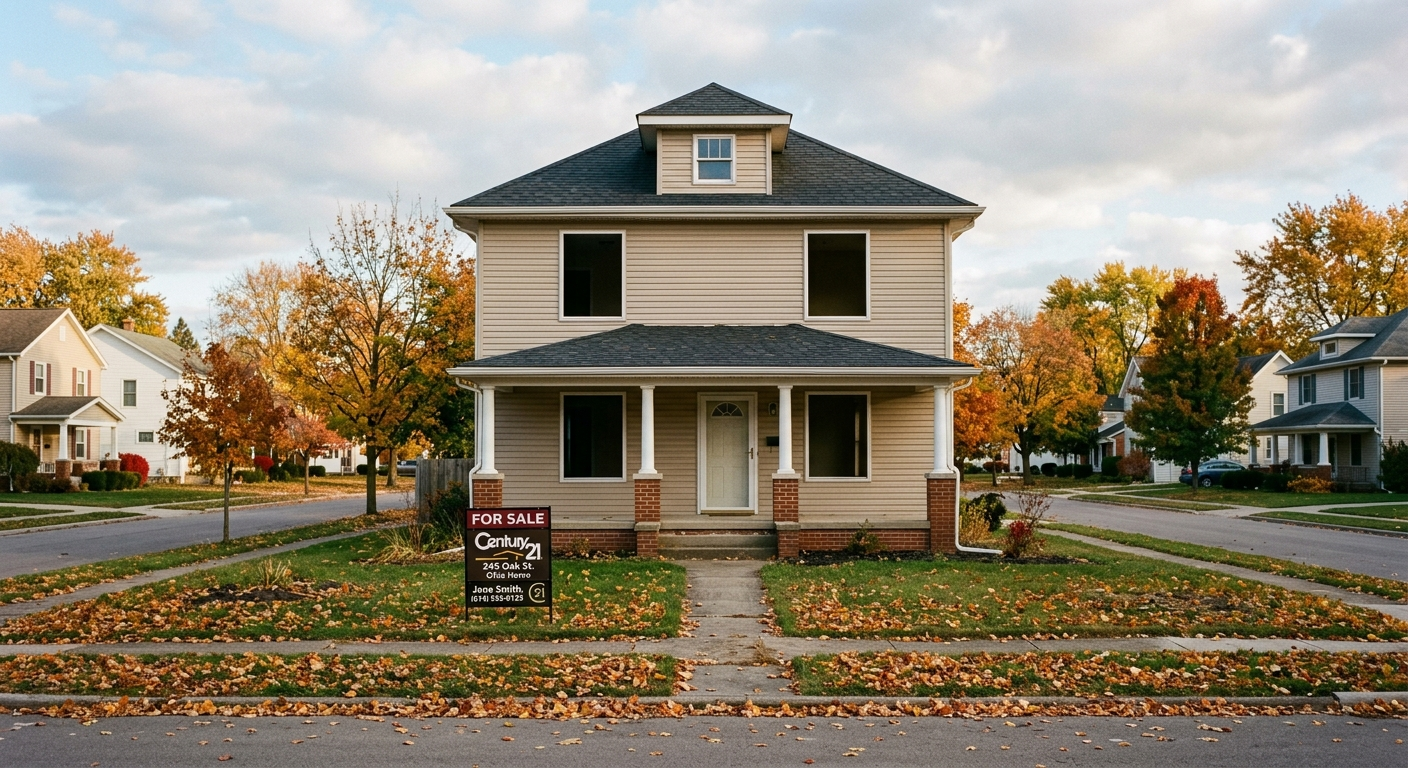
Dwelling fire insurance in Ohio is one of those policies that gets little attention until someone desperately needs it. It is a stripped-down property policy that covers the structure of a home (and sometimes a few other things) without the full suite of protections that comes with a standard homeowners policy. If you own a property that does not qualify for a HO-3 homeowners policy, or if you need coverage for a home that sits vacant, is rented to a tenant, or is an older property a carrier will not write on a standard form, a dwelling fire policy is often the right answer.
Ohio property owners use dwelling fire policies in more situations than most people realize. The coverage typically applies to the dwelling itself against named perils: fire, lightning, windstorm, hail, explosion, riot, aircraft, vehicles, smoke, and vandalism, depending on the form. The two most common forms are the DP-1 (basic form) and the DP-3 (special form) . A DP-2 (broad form) exists but is less commonly offered. Here is how they differ:
- DP-1 : the most basic option; covers only the named perils listed in the policy; loss is typically settled on an actual cash value basis, meaning depreciation is deducted from your payout.
- DP-2 : broader named-peril coverage; may include additional perils like falling objects or weight of ice and snow; settlement can be replacement cost depending on the carrier.
- DP-3 : the most comprehensive dwelling fire form; covers the structure on an open-peril basis (all causes of loss except those specifically excluded), while other structures and personal property are covered on a named-peril basis.
By default, dwelling fire policies do not include liability coverage, loss of use for the property owner, or personal property coverage for a tenant. Those gaps matter, and they are covered below.
Who actually needs a dwelling fire policy in Ohio
A dwelling fire policy is not for everyone, but for certain property owners in Ohio it is the only tool that fits. The most common situations include:
- Landlords and rental property owners : if you rent a home to tenants, a standard homeowners policy will not cover it once you move out. A dwelling fire policy (often called a landlord policy at that point) covers the structure and, depending on the form, loss of rental income. Your tenants are responsible for their own renters insurance for their personal property and liability.
- Owners of vacant or unoccupied homes : if a home sits empty after an estate settles, during a renovation, or between tenants, most standard carriers will cancel or non-renew the policy. A dwelling fire policy written for vacant properties fills that gap. Ohio winters are hard on empty homes: burst pipes, ice dams on older roofs, and undetected heating failures can cause serious structural damage.
- Older homes that do not qualify for a standard policy : some properties in older Cleveland neighborhoods, Lorain, Elyria, or other parts of northeast Ohio have outdated electrical, plumbing, or roofing that standard carriers will not insure on a HO-3 form. A dwelling fire policy can cover the structure while you work on updates.
- Short-term rental properties : if you rent a property seasonally or through a platform like Airbnb, your personal homeowners policy almost certainly excludes that use. A dwelling fire policy combined with the right endorsements may be part of the solution, though some carriers now offer purpose-built short-term rental products.
- Investors with multiple properties : real estate investors sometimes use DP policies to insure non-owner-occupied properties on a portfolio basis at a lower premium than a landlord-specific product, particularly for lower-value properties where a simplified policy makes financial sense.
What dwelling fire insurance does not cover
The gaps in a dwelling fire policy are just as important to understand as what it covers. These exclusions catch property owners off guard when they assume the policy works like a full homeowners policy.
- Liability : if a tenant or visitor is injured on your property and sues you, a basic dwelling fire policy provides no liability protection. Landlords need a policy that includes premises liability, or a separate umbrella policy on top.
- Tenant's personal property : the policy covers the building, not what is inside it. Your tenants need their own renters insurance for their furniture, clothing, electronics, and liability.
- Flood damage : flood is excluded on every standard property policy form, dwelling fire included. Properties near Lake Erie, the Black River in Lorain, or low-lying areas in Parma and Broadview Heights should seriously consider a separate flood policy. Ohio has seen repeated flood events that are not covered without a separate personal flood policy.
- Loss of use for the owner : if the dwelling burns and you were living in it, a DP-1 does not cover your temporary housing costs. A DP-3 or an endorsement may add fair rental value coverage for a rental property, but owner-occupied loss of use is a homeowners policy benefit, not a dwelling fire benefit.
- Mechanical breakdown or maintenance issues : no property policy covers wear and tear, and dwelling fire policies are no exception. A roof that fails because it was 30 years old and poorly maintained is not a covered claim.
How dwelling fire insurance is priced in Ohio
Premium for a dwelling fire policy in Ohio depends on several factors that carriers weigh differently. Because these are often non-standard placements, pricing can vary significantly from one carrier to the next, which is one reason working with an independent agent pays off.
Key rating factors include:
- Construction type and age : frame construction is rated higher than masonry; a 1920s bungalow in Lakewood with knob-and-tube wiring will cost more to insure than a 1990s brick rental in Strongsville.
- Occupancy status : a tenant-occupied home is viewed as lower risk than a vacant one. Vacant home policies typically carry surcharges of 25% to 50% or more over a standard occupied dwelling policy, and most carriers limit vacancy coverage to 30, 60, or 90 days before requiring a specialized vacant form.
- Coverage form chosen : a DP-1 is cheaper than a DP-3. The tradeoff is real: a DP-1 can leave you significantly undercompensated on a large claim because of actual cash value settlement and limited perils.
- Replacement cost of the structure : Ohio's construction costs have risen sharply since 2020. Underinsuring a rental property to save on premium is a common and costly mistake; if you insure a $180,000 replacement cost home for $100,000, you may face a coinsurance penalty on partial losses.
- Claims history on the property : multiple prior water or fire claims on the property's address can push it into the non-admitted market where premiums are significantly higher.
- Credit score and loss history : Ohio carriers are permitted to use credit-based insurance scores as a rating factor under Ohio Revised Code, so a landlord's credit profile can affect pricing.
It is worth comparing this against a standard Ohio homeowners policy if the property might qualify for one. Sometimes a DP-3 with endorsements costs more than a HO-3, and other times it is the only option available.
Replacement cost vs. actual cash value on dwelling fire policies
This distinction matters. Many property owners choose a DP-1 because the premium is lower, without fully understanding that the policy pays actual cash value (ACV) on a covered loss, not replacement cost. ACV means the carrier deducts depreciation from the payout.
A simple example: your rental property in Parma has a roof that is 15 years old. A windstorm tears it off. The cost to replace the roof is $12,000 . On an ACV basis, the carrier depreciates the roof at roughly 3-4% per year for its age, which could reduce the payout to $5,400 to $7,200 . You cover the rest out of pocket.
A DP-3 with replacement cost coverage would pay the full $12,000 minus your deductible. The premium difference is real, but so is the gap in a claim. For more detail on how these settlement methods affect your exposure, our post on replacement cost vs. actual cash value in Ohio walks through the details.
Dwelling fire insurance for Ohio landlords: what else to consider
If you own rental property in Ohio, a dwelling fire policy is usually just the foundation. A well-structured landlord coverage package typically includes several additional pieces:
- Premises liability : protects you if a tenant or their guest is injured and brings a claim. This can be endorsed onto a dwelling fire policy or included in a landlord-specific product.
- Fair rental value (loss of rents) : if a covered loss makes the property uninhabitable, this coverage reimburses you for lost rental income while repairs are made. This is important for landlords whose mortgage payment depends on that rent check.
- Personal property coverage : if you leave appliances, a lawnmower, or furnishings in the unit, you need a separate limit for that property. Tenants' belongings are not your responsibility and are not covered under your policy.
- Flood coverage : always separate. Northeast Ohio flooding near rivers and Lake Erie tributaries is not a remote risk. Review your property's flood zone status before deciding this coverage is unnecessary.
- Personal umbrella liability : if you own multiple rental units, your liability exposure adds up. A personal umbrella policy that sits above your dwelling fire and auto policies provides an extra layer of protection at relatively low cost.
It is also worth reviewing your policy every year. Rents have risen, construction costs have gone up, and the replacement cost of your property may have changed significantly. An annual review prevents the surprise of finding out you are underinsured after a fire.
Get the right dwelling fire coverage for your Ohio property
At Goldfront Insurance, we work with property owners across northeast Ohio including Cleveland, Lakewood, Parma, Lorain, Strongsville, and surrounding communities to find dwelling fire policies that fit the property. As an independent agency, we compare rates and coverage terms across multiple carriers rather than being limited to one company's products. That means you get options, not a one-size-fits-all policy.
Whether you own a rental property, a vacant home waiting for renovation, an older property that does not fit a standard carrier's appetite, or a home you use as a short-term rental, we can help you piece together the right coverage. Call us at (440) 691-0123 or reach out through our contact page to talk through your situation. There is no pressure and no obligation: just a straightforward conversation about what your property actually needs.
Get a Quote
At Goldfront Insurance, securing your future is easy. Ready to protect what matters? Contact us for a quick quote and personalized insurance options!
Chat With Us
Chat with Kelly to gather your info, helping our agents find the best carriers and quotes.
Call Us
For any inquiries or support, feel free to reach out to us at any time. We're here to assist you!
Leave us a note
Leave a note with your name, email, phone number, and the insurance type you're seeking.
Personal Insurance
From auto and homeowners to renters and umbrella policies, we help protect your family and property. Let’s find coverage that fits your life.
Commercial Insurance
We customize policies for your industry's risks, like general liability and workers' comp, ensuring you can run your business worry-free.
Contact Goldfront Insurance
Recent Posts