Short-Term Rental Insurance in Ohio: What Airbnb Hosts Must Know
Microphone ready
Schedule appointments or follow-ups
Speak to Anna 24/7
Anna
Start your custom insurance quote
Instant answers to your insurance questions
Short-term rental insurance in Ohio: what Airbnb hosts need to know
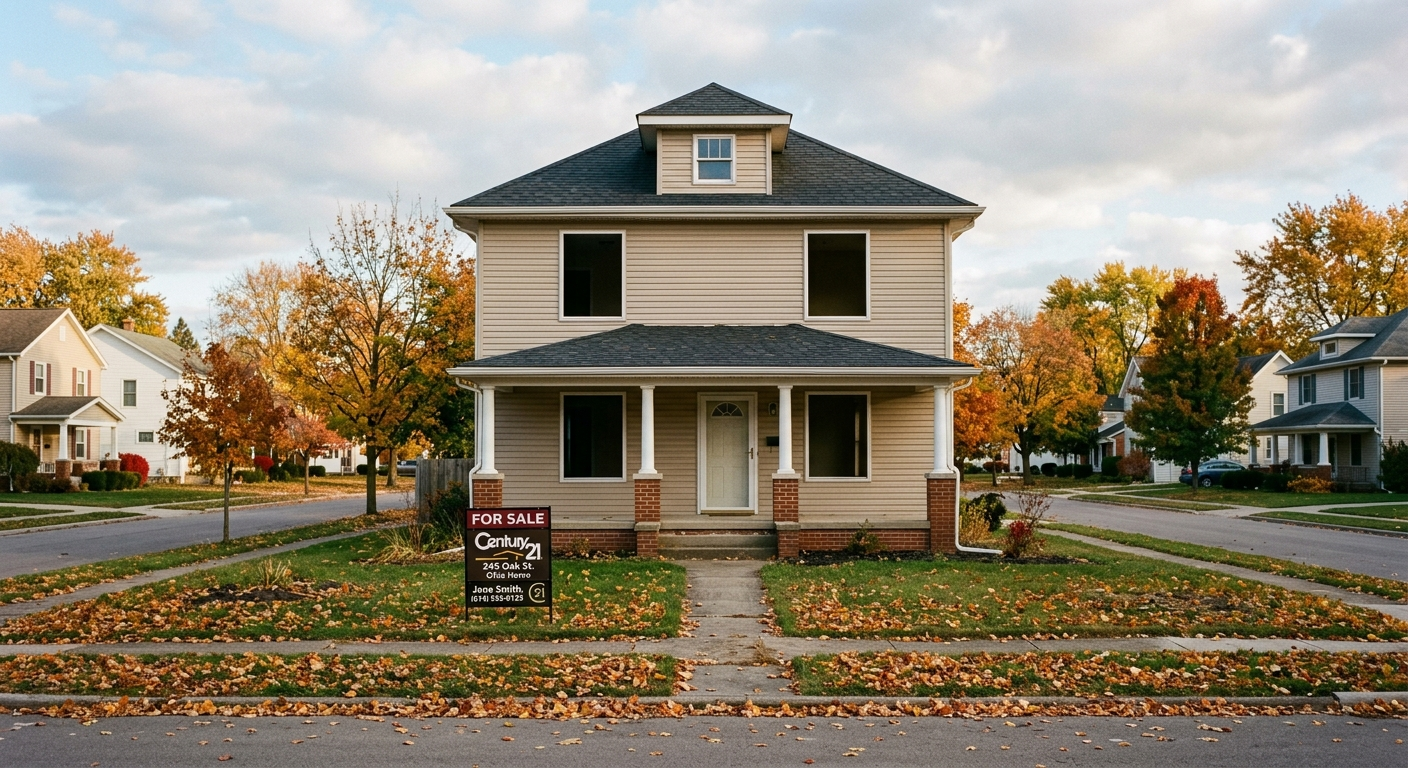
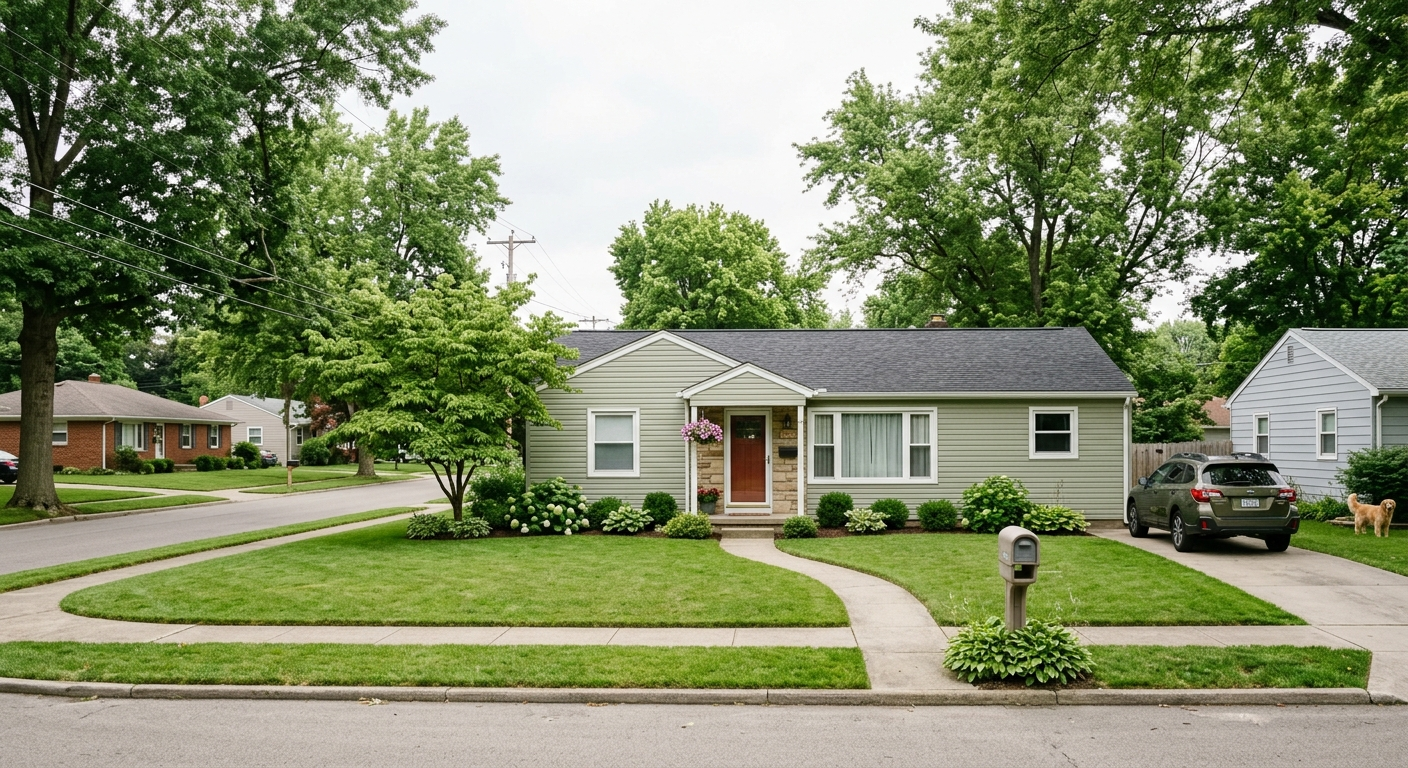
If you're renting out your home, a spare bedroom, or a lakeside cottage on Airbnb or Vrbo, you're running a business, and your standard homeowners policy almost certainly does not cover it. Short-term rental insurance in Ohio sits in a coverage gap that surprises many hosts, often at the worst possible time. A guest slips on icy steps in January, or a plumbing leak ruins the hardwood floors while renters are checked in, and suddenly the claim gets denied because the insurer treats the property as a commercial operation. Understanding what coverage you actually need before that happens is worth the time.
Why your homeowners policy falls short
Standard homeowners insurance is written for owner-occupied, non-commercial use. The moment you collect rental income from strangers staying in your home, most carriers classify that activity as a business operation. Ohio's homeowners policy forms follow standard Insurance Services Office (ISO) language, which explicitly excludes liability and property claims arising from "business pursuits" conducted on the premises.
In plain terms, that means:
- Guest injury liability: if a guest is hurt during their stay, your homeowners liability coverage is likely excluded, leaving you personally responsible for medical bills and legal fees.
- Property damage caused by guests: a renter who breaks furniture, stains carpets, or damages appliances may fall outside your standard dwelling coverage.
- Theft by guests: homeowners policies frequently exclude theft by someone who was invited onto the property.
- Loss of rental income: if a covered event forces you to cancel upcoming bookings, your homeowners policy will not pay the lost revenue.
Airbnb does offer a Host Guarantee and AirCover for Hosts, but these are platform protections, not insurance policies. They have their own exclusions, dollar limits, and claims processes, entirely separate from an admitted insurance carrier. Relying on them as your primary safety net is a significant risk.
What short-term rental insurance actually covers
A purpose-built short-term rental insurance policy (sometimes called a vacation rental or hosted rental policy) is designed to fill the gaps left by a standard homeowners form. Coverage typically includes the following areas.
Dwelling and personal property protection
Your home's structure and the belongings inside are covered even when paying guests are present. Good policies cover guest-caused damage at replacement cost value rather than actual cash value, so you're not absorbing depreciation on a five-year-old appliance. For a closer look at how that distinction affects a real claim payout, our post on replacement cost vs. actual cash value in Ohio walks through the numbers.
Liability coverage for guest injuries
This is the coverage that matters most. If a guest is injured on your property and sues, a short-term rental policy provides bodily injury and property damage liability protection. Limits typically start at $300,000 and can reach $1 million or higher. Given the cost of a single personal injury lawsuit in Ohio, buying only minimum limits is rarely a good idea.
Loss of rental income
If a fire, a burst pipe, or a severe windstorm makes your rental uninhabitable and forces you to cancel bookings, the policy pays the income you lose during the repair period. For a property that earns $2,000 to $4,000 a month, that coverage can be the difference between keeping and losing the property.
Guest belongings (optional)
Some policies offer optional coverage for guests' personal property damaged during their stay, which can reduce disputes and bad reviews that hurt your listing.
How Ohio's regulatory environment affects your options
Ohio does not have a statewide short-term rental licensing law as of 2024, but local regulations vary widely. Cleveland, Columbus, and other municipalities have enacted registration requirements, occupancy taxes, and in some cases zoning restrictions. Before you list your property, check with your local municipality, because a zoning violation can also affect whether a claim gets paid.
From an insurance standpoint, Ohio is a competitive admitted market, meaning several carriers actively write short-term rental endorsements and standalone vacation rental policies here. Your options generally fall into three categories:
- Short-term rental endorsement on your homeowners policy: some carriers will add a hosted rental endorsement to your existing policy for an additional premium. This is the most affordable route when it is available, though not every insurer offers it.
- Standalone vacation rental policy: carriers like Proper Insurance, CBIZ, and Foremost write policies specifically for short-term rentals. These tend to offer broader coverage, higher limits, and clearer language around the rental exclusion.
- Commercial landlord policy with a short-term rental rider: if your property is investment property that you never personally occupy, a landlord insurance policy with appropriate riders may be the right fit. This path is also common for hosts with more than one rental property.
An independent agent can quote all three paths and show you side by side what you're buying and what you're not. That comparison matters because policy language differences that look minor on a summary sheet can produce very different claim outcomes.
Costs and what drives your premium in Ohio
Premium for a short-term rental policy in Ohio depends on several factors underwriters look at closely.
- Property location: a lakefront cottage near Lake Erie or a property in a high-tourism area like Put-in-Bay carries different rates than a suburban spare bedroom in Strongsville or Parma. Proximity to water also raises questions about flood exposure, which is typically a separate policy.
- Occupancy frequency: renting 10 nights a year looks very different to an underwriter than renting 200 nights a year. More rental days means more exposure.
- Property age and construction: older homes with knob-and-tube wiring, aging roofs, or wood-frame construction cost more to insure.
- Liability limits selected: moving from $300,000 to $1 million in liability coverage typically adds a modest premium but meaningfully changes your protection.
- Claims history: a property with prior water damage or liability claims will cost more to insure.
As a rough range, a standalone short-term rental policy for a modest Ohio property runs $1,200 to $3,000 per year , though properties with higher values, more annual rental nights, or additional exposures such as pools, hot tubs, or lake access can cost more. Getting multiple quotes is the only way to know what you'll actually pay.
Common mistakes Ohio hosts make with coverage
A few patterns come up repeatedly when hosts find out too late that they had the wrong coverage.
Assuming Airbnb's AirCover is enough
AirCover for Hosts provides up to $3 million in host liability protection and up to $3 million in damage protection through Airbnb's program. That sounds like a lot, but the coverage has meaningful exclusions: cash, securities, shared areas outside the listing, vehicles, and intentional acts by guests are among the items not covered. The program also requires you to go through Airbnb's resolution process before a claim is considered, which is very different from filing directly with an insurance carrier.
Not telling their homeowners carrier about the rental activity
Some hosts quietly start renting and hope nothing happens. If your carrier discovers the rental activity after a claim, they can deny the claim and potentially cancel your policy. Disclosure is always the right move, even if it means your current carrier cannot accommodate the risk and you need to shop for a new policy.
Forgetting about flood
Ohio properties near rivers, Lake Erie, and low-lying areas face real flood exposure that is excluded from virtually every homeowners and short-term rental policy. If your rental sits in a flood zone, a separate flood policy through the National Flood Insurance Program (NFIP) or a private flood carrier is not optional. Our guide on flood insurance for Ohio homeowners covers how that works.
Underinsuring the dwelling
Many hosts have their property insured at a value set years ago. With Ohio construction costs rising sharply since 2020, that old coverage limit may not be enough to rebuild after a total loss. A quick replacement cost estimator review with your agent can catch this before it becomes a problem.
Work with Goldfront Insurance to protect your rental
At Goldfront Insurance, we work with hosts across northeast Ohio, including properties near Lake Erie, in Cleveland, Lakewood, Westlake, Avon Lake, and the surrounding communities. As an independent agency, we are not tied to one carrier's product. We compare short-term rental policies from multiple insurers to find coverage that fits your specific property, rental frequency, and budget.
If you're not sure whether your current homeowners policy covers your Airbnb activity, the answer is almost certainly no, and it only takes a short conversation to find out what the right solution looks like. Hosts who take the time to get proper coverage sleep a lot better when they have a full house. You can also reach us directly at (440) 691-0123 with any questions.
Get in touch with Goldfront Insurance today and let us find the right short-term rental policy for your Ohio property. If you're also thinking about how your other personal insurance policies fit together, our overview of personal insurance options is a good place to start.
Get a Quote
At Goldfront Insurance, securing your future is easy. Ready to protect what matters? Contact us for a quick quote and personalized insurance options!
Chat With Us
Chat with Kelly to gather your info, helping our agents find the best carriers and quotes.
Call Us
For any inquiries or support, feel free to reach out to us at any time. We're here to assist you!
Leave us a note
Leave a note with your name, email, phone number, and the insurance type you're seeking.
Personal Insurance
From auto and homeowners to renters and umbrella policies, we help protect your family and property. Let’s find coverage that fits your life.
Commercial Insurance
We customize policies for your industry's risks, like general liability and workers' comp, ensuring you can run your business worry-free.
Contact Goldfront Insurance
Recent Posts